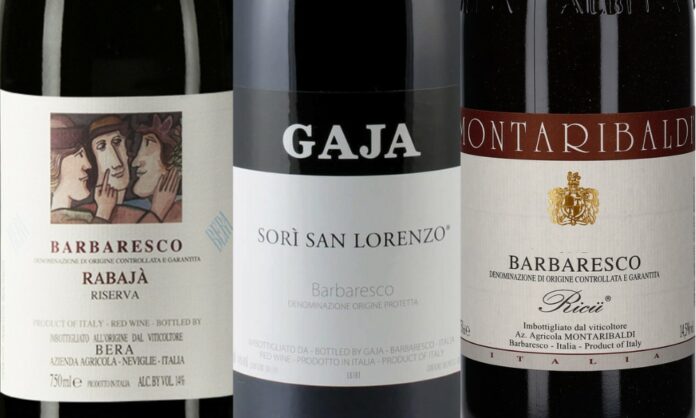
What are thebest Barbarescos? A list with the best Barbarescos recommended by Jean Marco Palmieri
Do you want to tell us about a wine or a company? Write to us.
INDEX
- Best Barbaresco
- Best Barbaresco Vingtages
- Barbaresco terroirs and crus
- History of Barbaresco
- Barbaresco regulations
- Barbaresco Food Pairing
BEST BARBARESCO WINES – Recommended by Jean Marco Palmieri

What are thebest Barbarescos?
Discover the wines recommended by Italy’s Finest Wines with our tasting so that everyone can find the ideal wine for their tastes and needs.
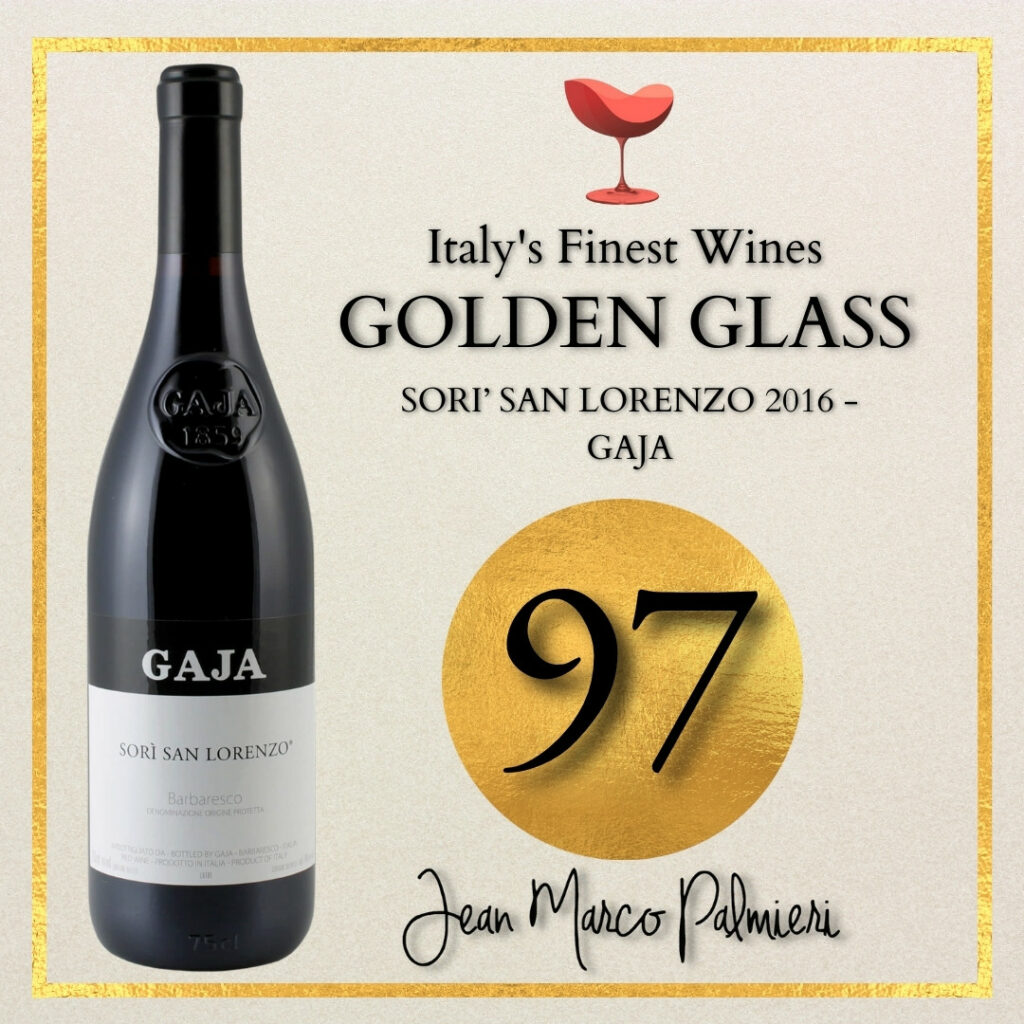
Barbaresco Sorì San Lorenzo 2016 – Gaja
Description:
The nose is intense and complex characterized by fruity nuances of black cherry and plum, embellished with notes of licorice and orange peel and peaty nuances. On the palate it is voluminous and enveloping, with a great phenolic concentration that supports the palate and extends towards a finish of extraordinary character and persistence.
A true legend of Italian winemaking which saw its first label born in 1967. One of the best Italian red wines for expressiveness and vigor on the palate.
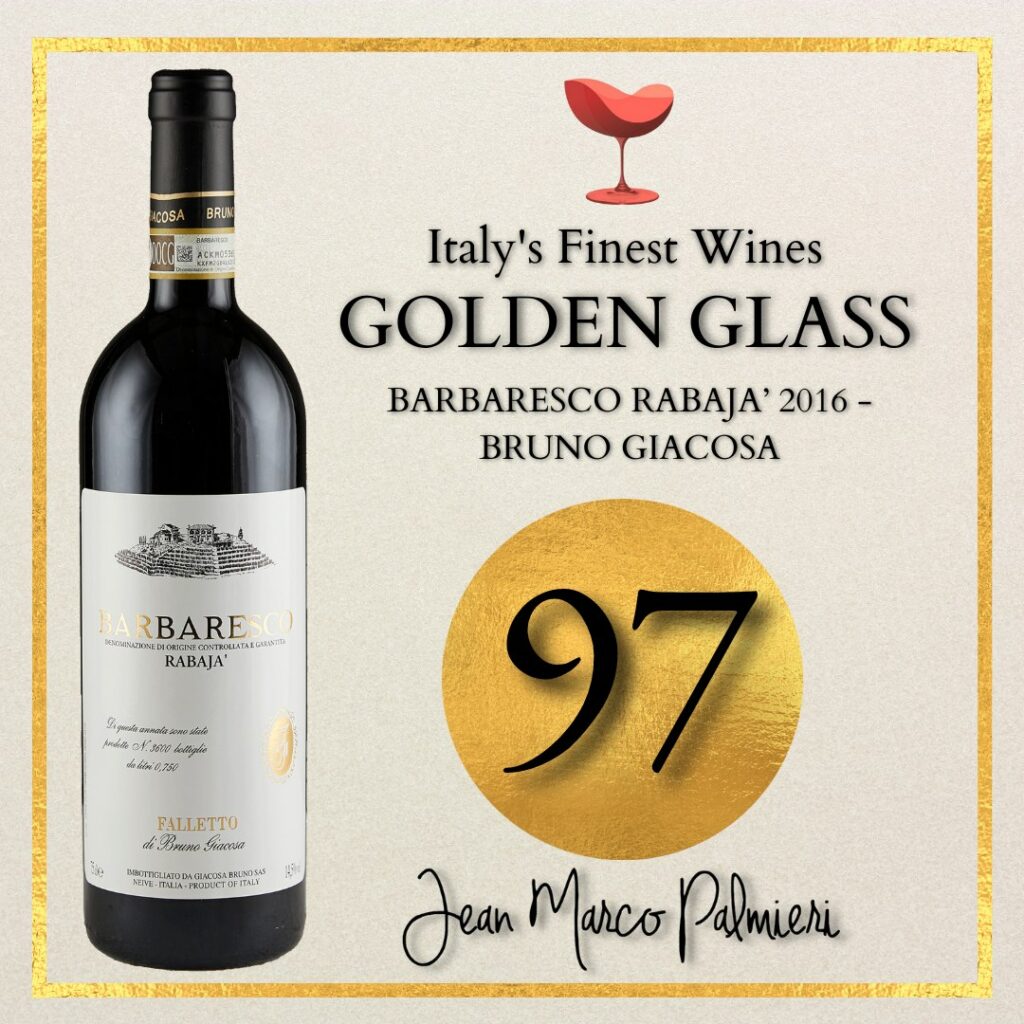
Barbaresco Rabajà 2016 – Bruno Giacosa
Description:
It opens on the penetrating palate with notes of blackberry jam, bergamot, coffee powder and tar. On the palate it stands out for its sensational extract, flavor and extraordinary length.
Barbaresco Rabajà confirms itself as one of the most virtuous interpretations in terms of aging potential and complexity. Recommended for consumption from 2027.
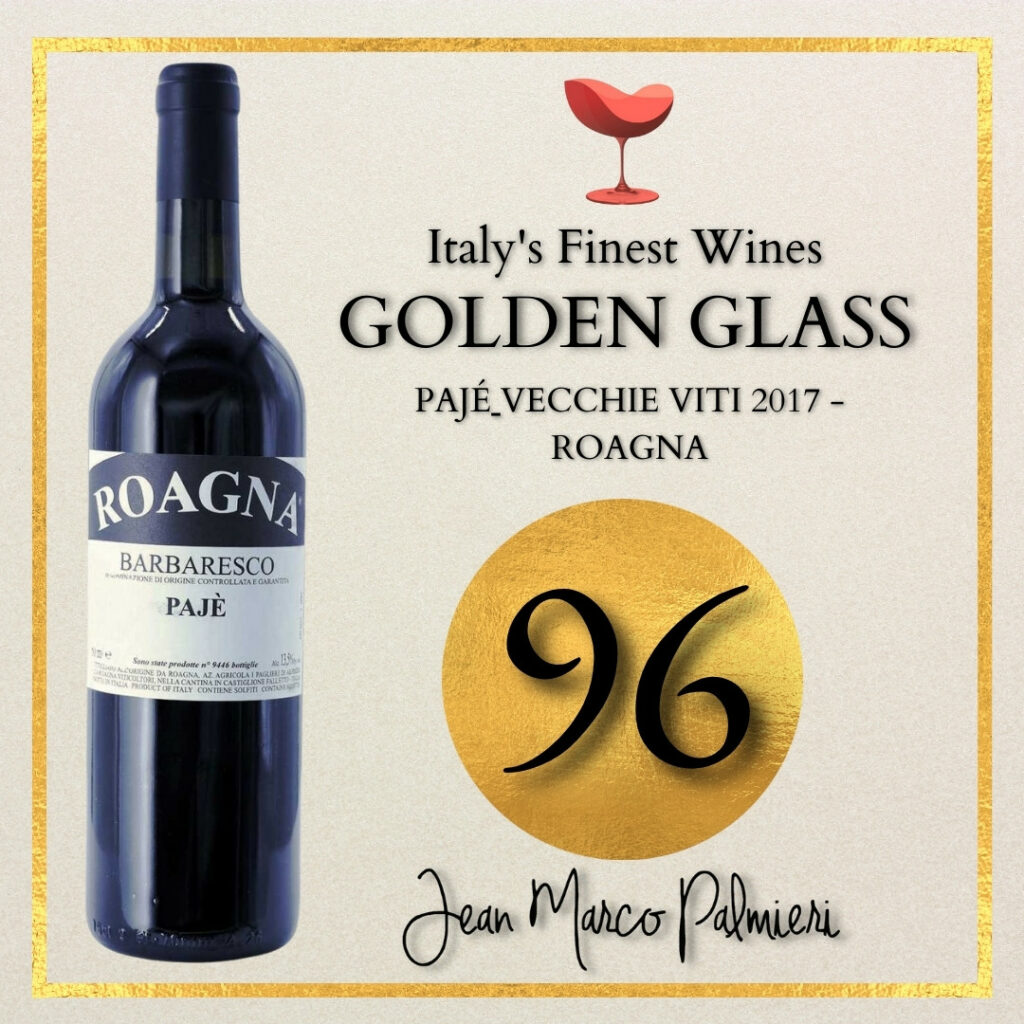
Pajè Barbaresco Vecchie Viti 2013 – Roagna
Description :
The olfactory picture is surrounded by a broad and detailed olfactory bouquet: it seduces with tones of dried violet, ripe dark fruit in jam, plum and empyreumatic and goudron nuances. The mouth is full and overwhelming with great extract, characterized by a very long finish with balsamic echoes. Fermentation takes place exclusively in wooden vats thanks to a pied de cuve of indigenous yeasts.
An iconic interpretation of Barbaresco produced from vines that are between 50 and 60 years old: a stubborn and resolute wine, a synthesis of territoriality, craftsmanship and evolution. Fully among the best Italian red wines for its overwhelming and inexorable persistence on the palate.
Barbaresco Rabaja’ 2017 – Bera
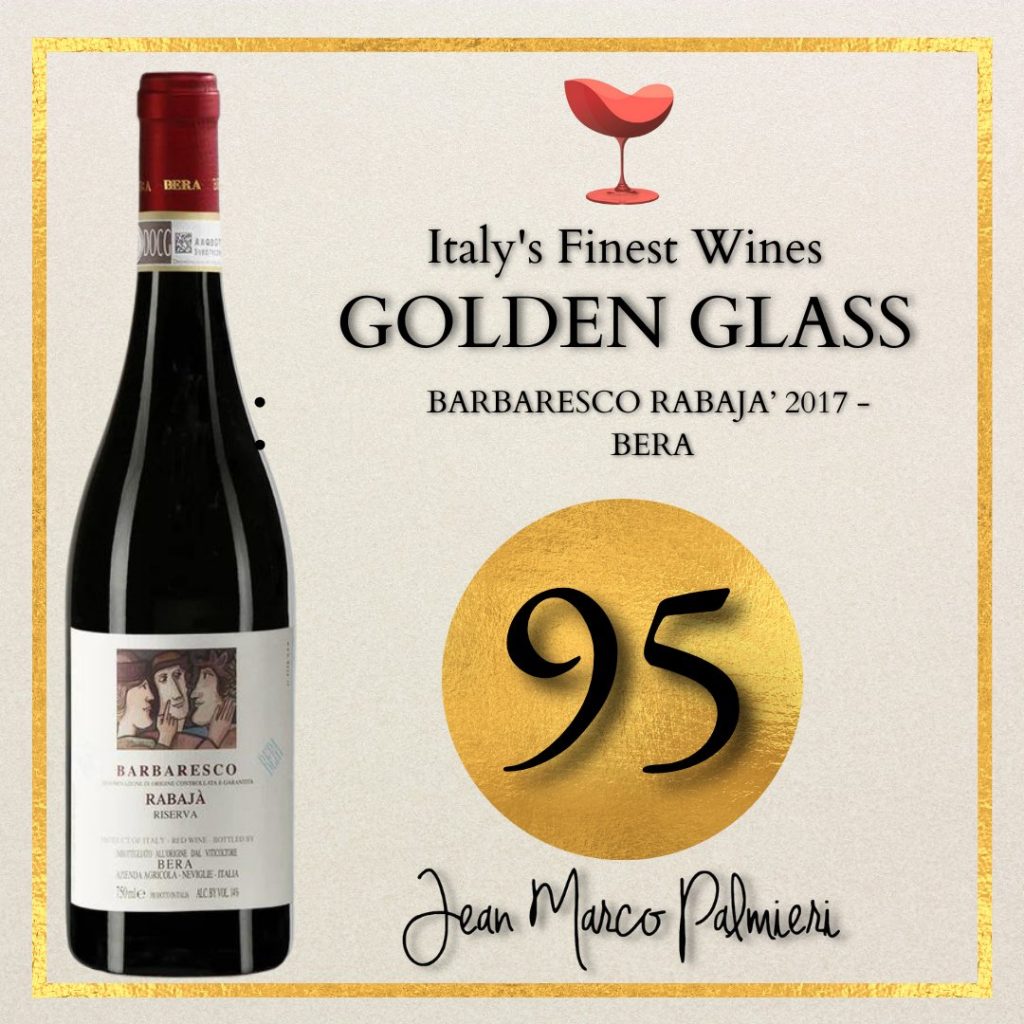
It shows a deep ruby red color. The nose is broad and layered, with ripe wild berries and plum taking center stage, enriched by hints of alpine flowers, sweet spices, and fine tobacco. A captivating bouquet, notable for its depth and refinement.
On the palate, it is enveloping and well-structured, with a dense yet velvety tannic texture and a vibrant acidity that brings freshness and excellent drinkability. The finish is expansive and harmonious, with elegant balsamic nuances and remarkable length.
A Barbaresco of outstanding aromatic finesse and aging potential—among the most compelling expressions of the appellation for its balance, elegance, and longevity. A testament to the excellence of one of Barbaresco’s finest producers.
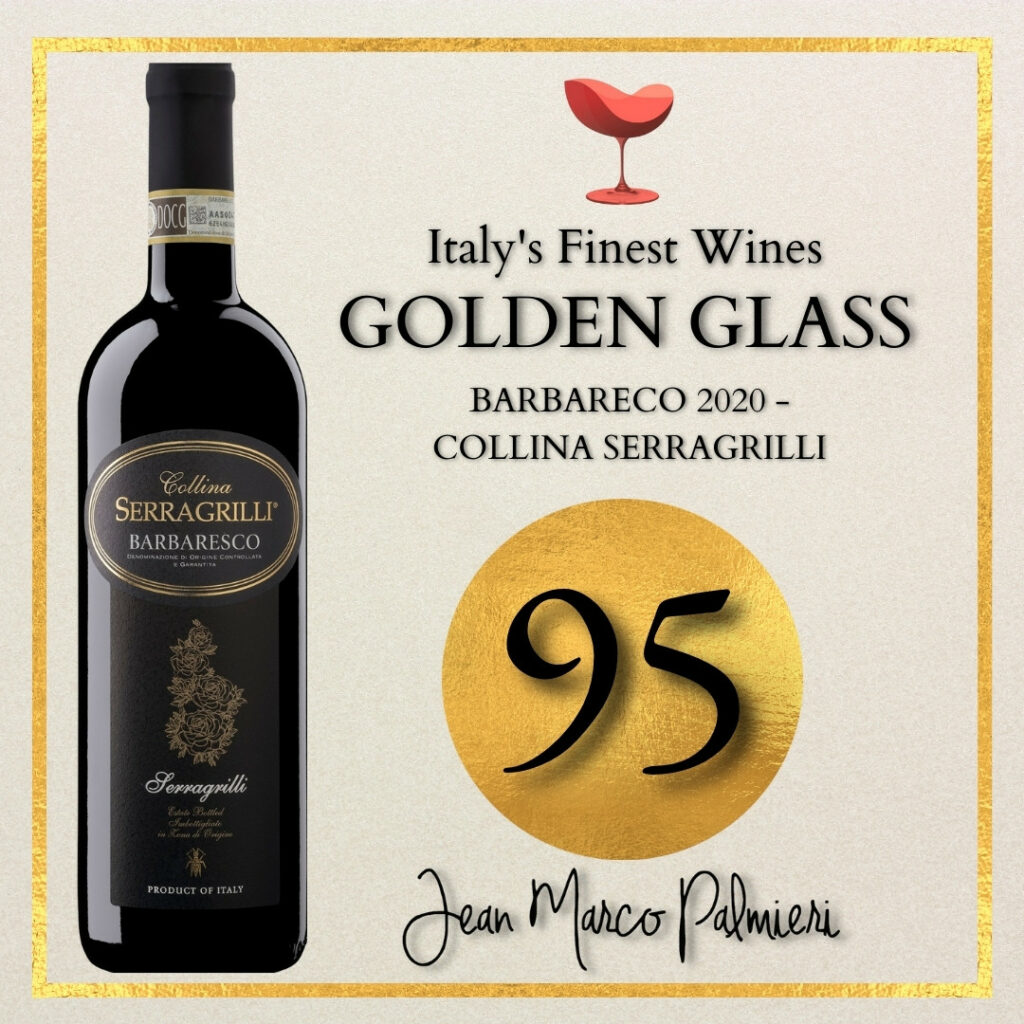
Barbaresco 2020 – Collina Serragrilli
Description:
It reveals itself to be captivating on the nose, ranging from small red berries, carobs, tar and humus. On the palate it is rich, juicy and enveloping, with a good persistence finish with the fruit as the protagonist.
An interpretation of Barbaresco of great character and elegance that expertly combines freshness, tannic vigor and aromas of great expressiveness. Definitely one of the best Barbaresco wines for value for money.
Barbaresco Lorens 2021 – Lodali
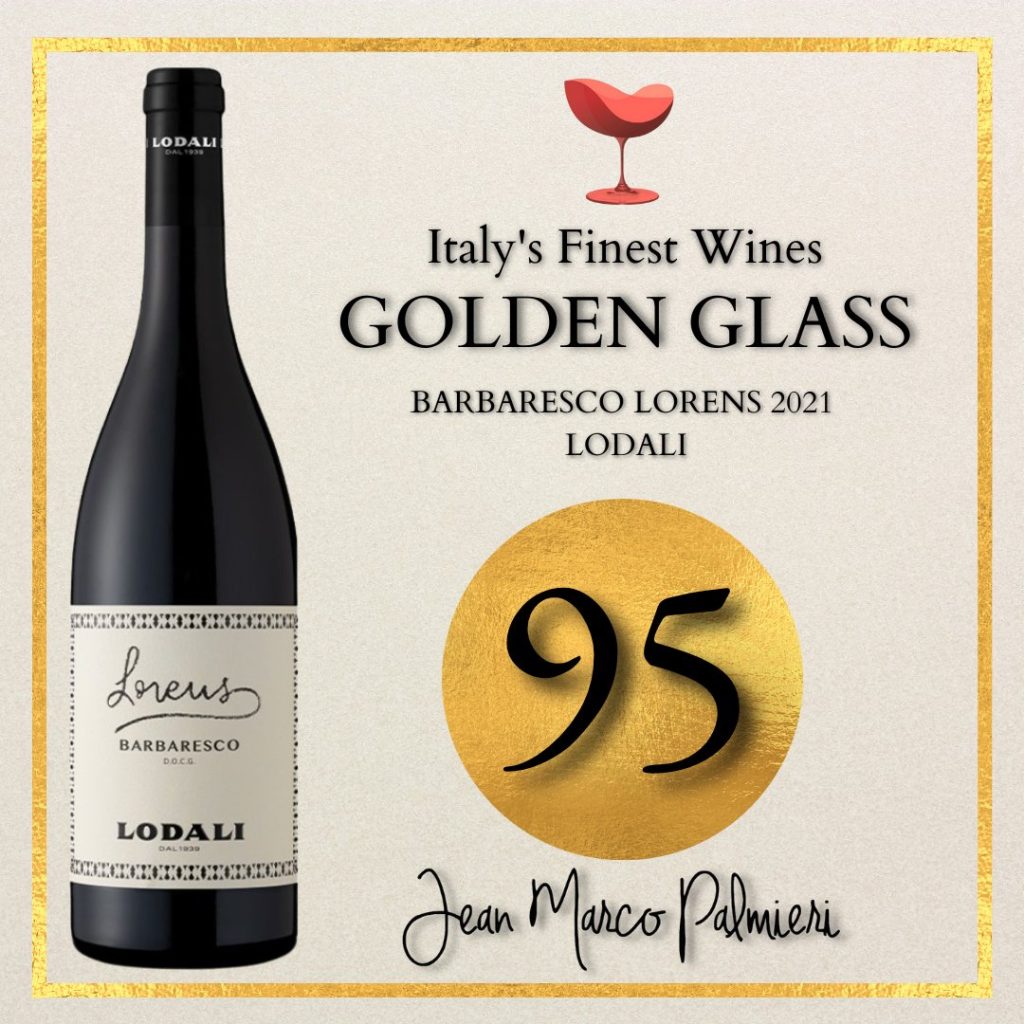
Description:
Bouquet structured on a potpourri of roses, wild strawberries and sour cherries alternating with delicate hints of white pepper, juniper, humus and mentholated reminiscences. On the palate it is dense and energetic, with powerful but silky tannins and a nice acidity. Long and juicy finish.
Fruit and spices blend harmoniously in a vigorous and opulent sip, tempered by a fresh balsamicity. Deservedly among the best Barbaresco wines for balance and typicality.
Barbaresco Montestefano 2019 – Produttori del Barbaresco
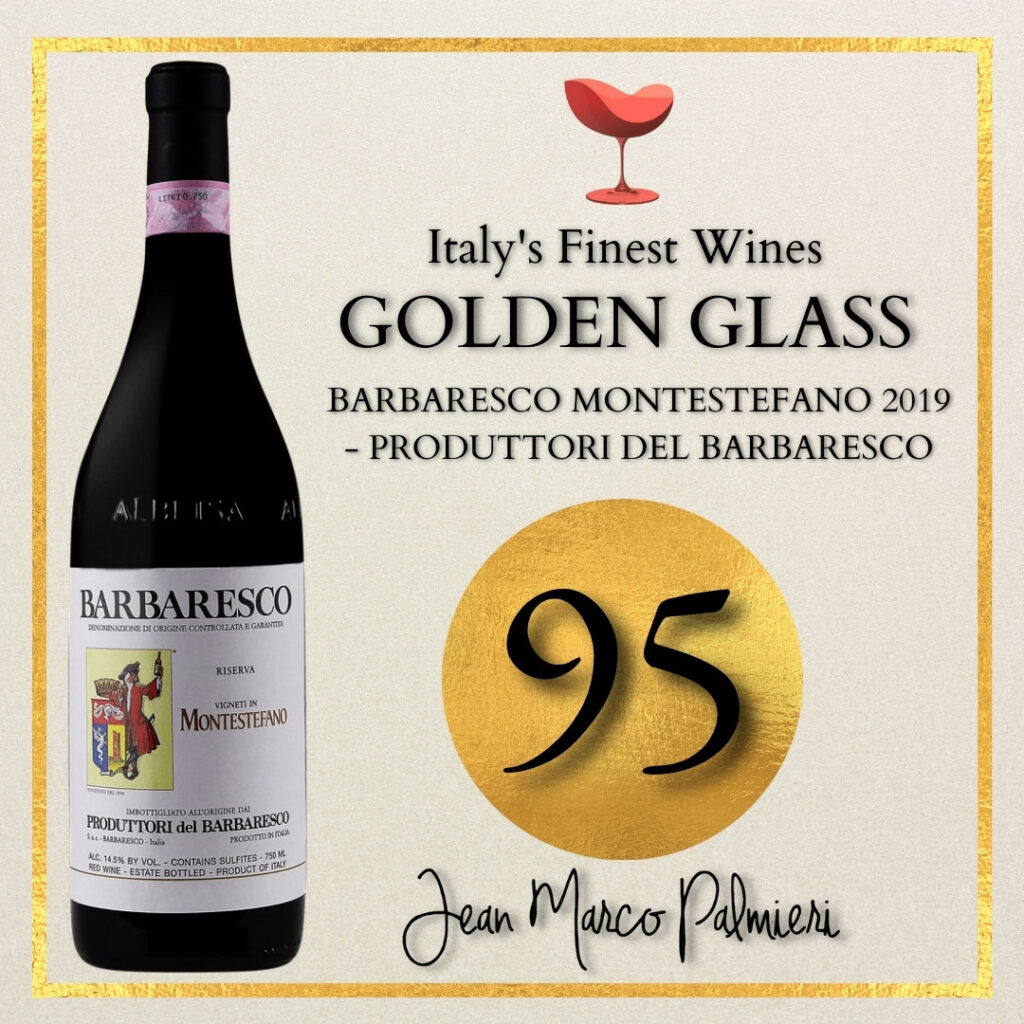
Description:
Pouporri of dried flowers, cherry in alcohol accompanied by spicy notes, tar and roasting.
Long finish in which the floral-fruity sensations resurface.
A Barbaresco of great structure and finesse, with an eloquent nose and pronounced freshness that gives great drinkability and balance. Among the best Barbaresco wines for maximizing the refined character of Nebbiolo.
Barbaresco ‘Asili’ Riserva 2019 – Ca’ del Baio
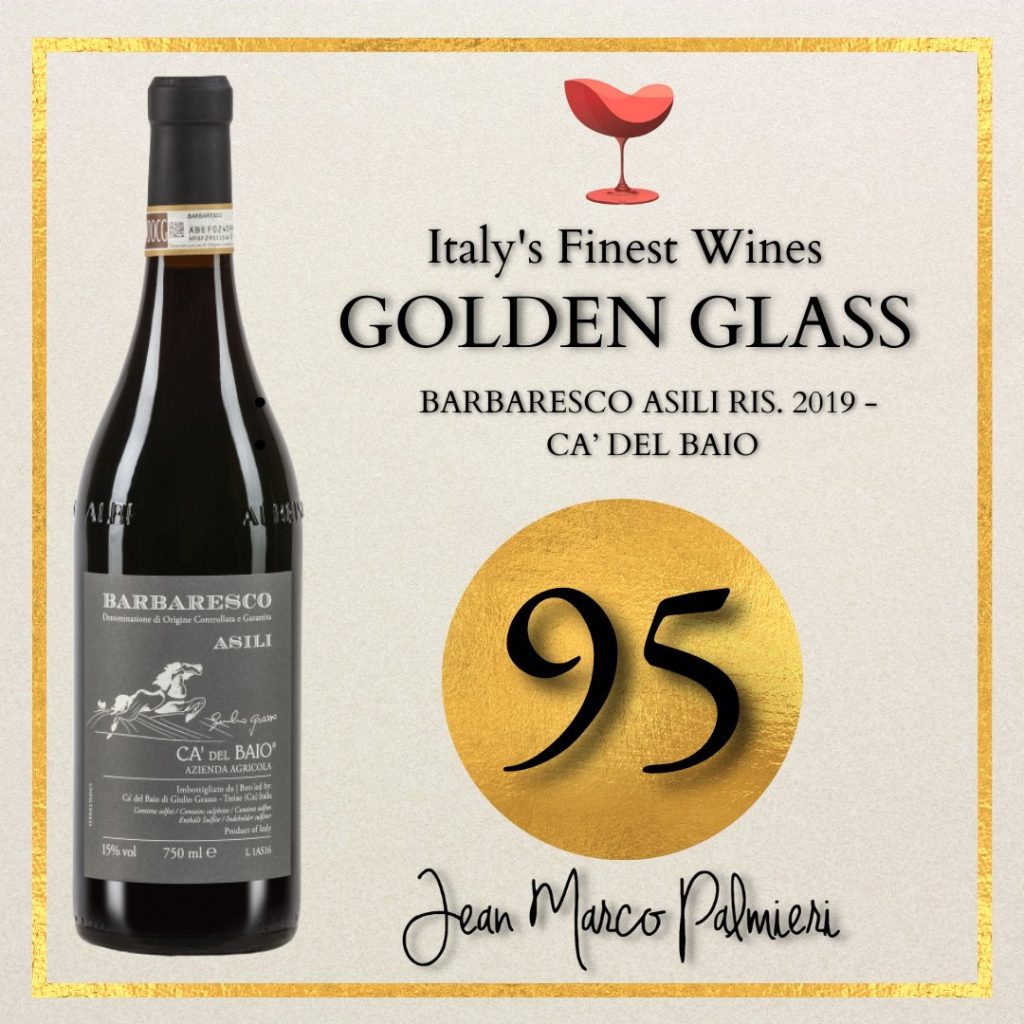
It opens with vivid aromas of wild red berries, candied sour cherries, and subtle hints of menthol and roasted notes.
On the palate, it is vibrant and well-balanced, with a dense tannic texture supported by a refreshing backbone of acidity.
Classic and well-defined in profile, Ca’ del Baio’s Barbaresco Asili rightfully ranks among the finest expressions of the appellation for its ability to combine fruit purity, complexity, and drinkability.
Ricù 2018 – Montaribaldi
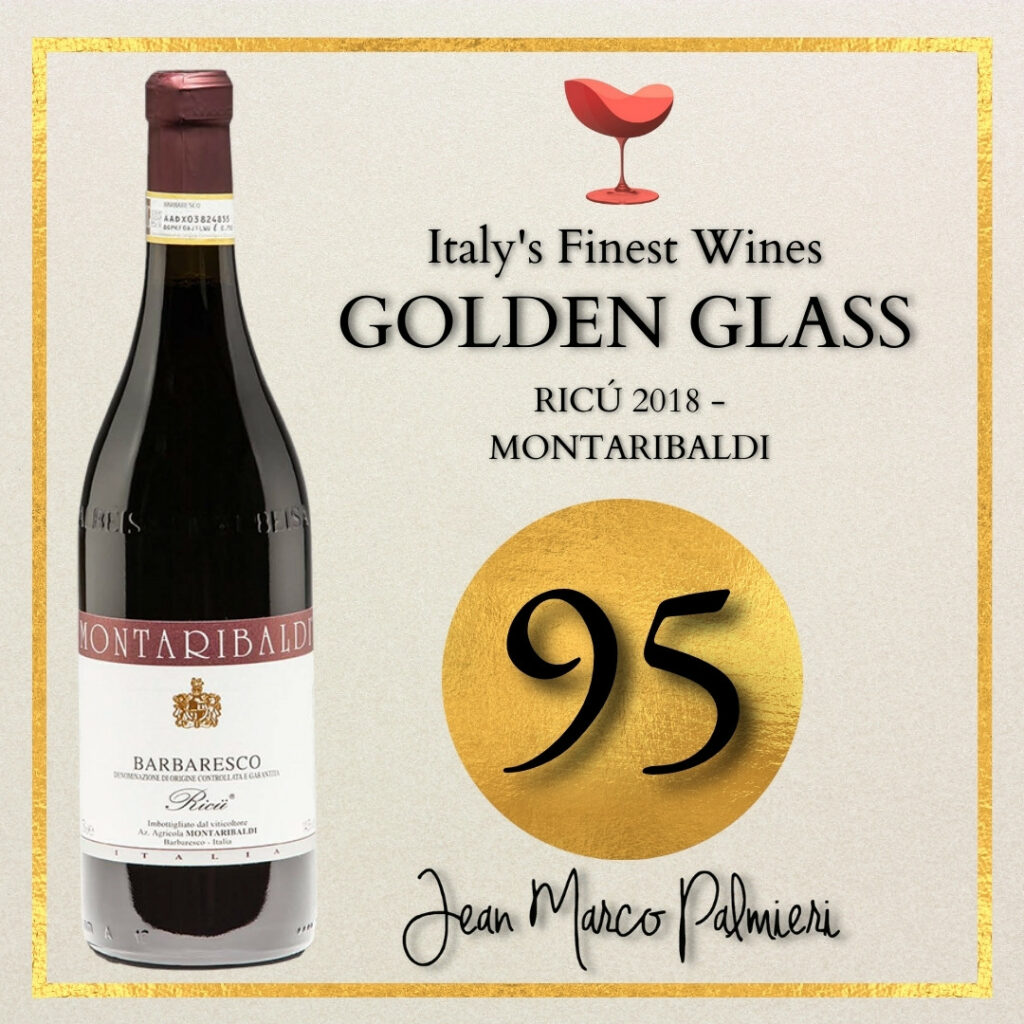
Description:
Layered nuances of violets, blackberries, raspberries in jam and liquorice root blend with hints of humus and medicinal herbs. The sip is dense and enveloping, with silky tannins and a pleasant acidity that culminates in a long and juicy finish. Excellent retro-olfactory persistence.
Montaribaldi’s Ricù cru wine is one of the most complex and elegant interpretations of Barbaresco. Deservedly among the best Barbaresco wines for aging potential and value for money.
Barbaresco DOCG Roncaglie 2019 – Socrè
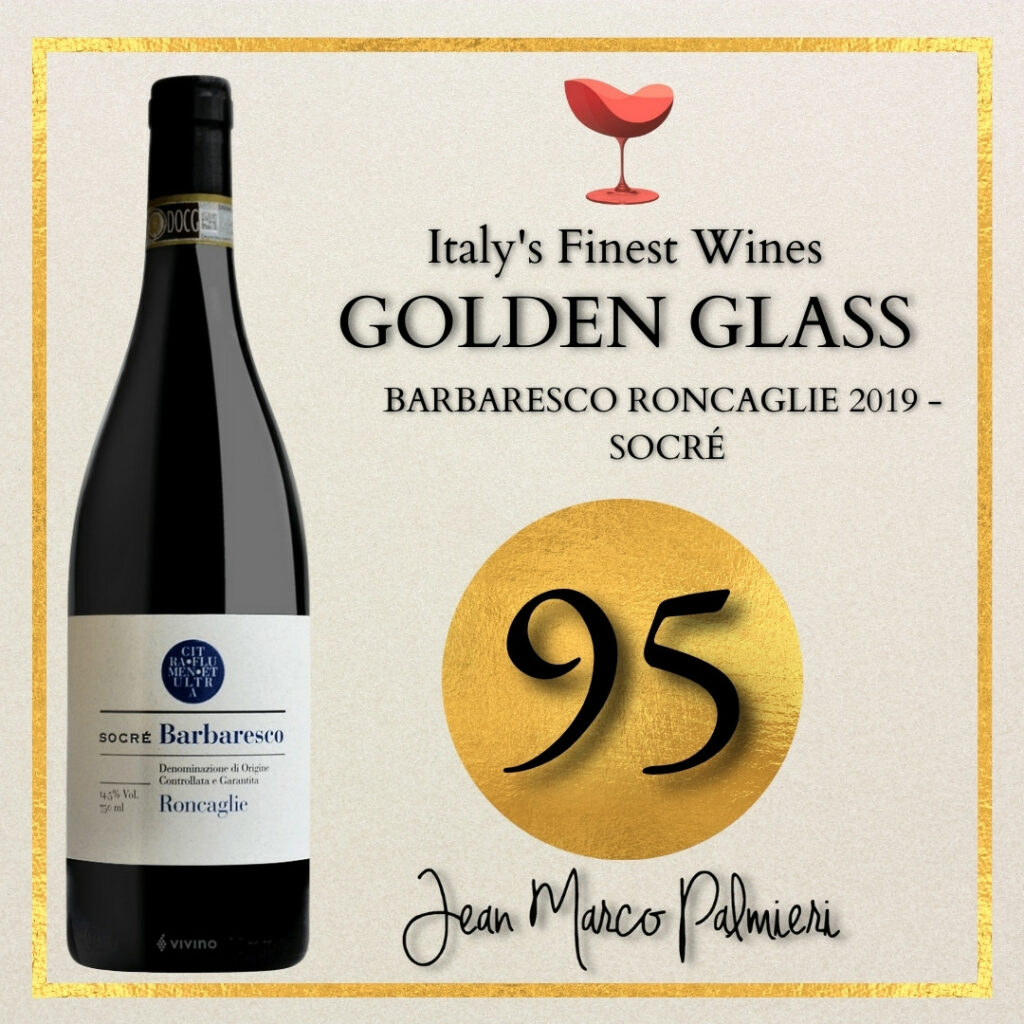
Description:
Smell initially played on notes of plum, sweet violet and sour cherries embellished with more enigmatic hints of wild catmint, resin and toasted tones. On the palate it is characterized by well-defined and compact tannins, supported by a very pleasant savory vein that gives smoothness and depth to the sip.
An iconic and inebriating wine, among the best expressions of Nebbiolo for olfactory complexity and material and penetrating palate. Excellent value for money. Fully among the best Barbaresco wines
Barbaresco ‘Angelo’ 2019 – Albino Rocca
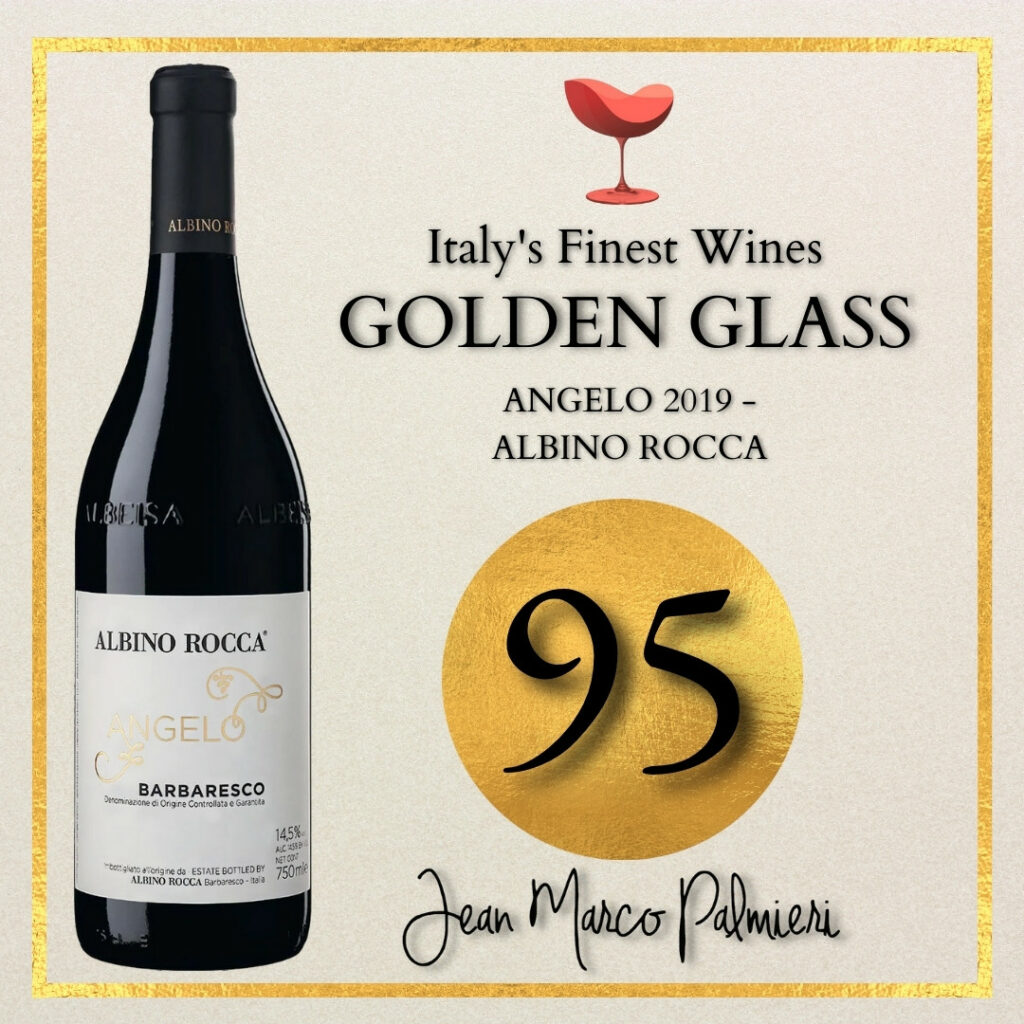
Description:
amponi, wild strawberries and blueberry jam serve as an overture to notes of pepper, rhubarb, cinchona and toasted stamps. The sip is material, silky and very soft tannins envelop the mouth towards a savory finish with continuous fruity references.
An iconic and one-of-a-kind label, exciting and highly recognisable. ‘Angelo’ by Albino Rocca is to be counted among the best Barbaresco wines for its exciting aromas and soft and enveloping sip.
Barbaresco Manzola 2019 – Fiorenzo Nada
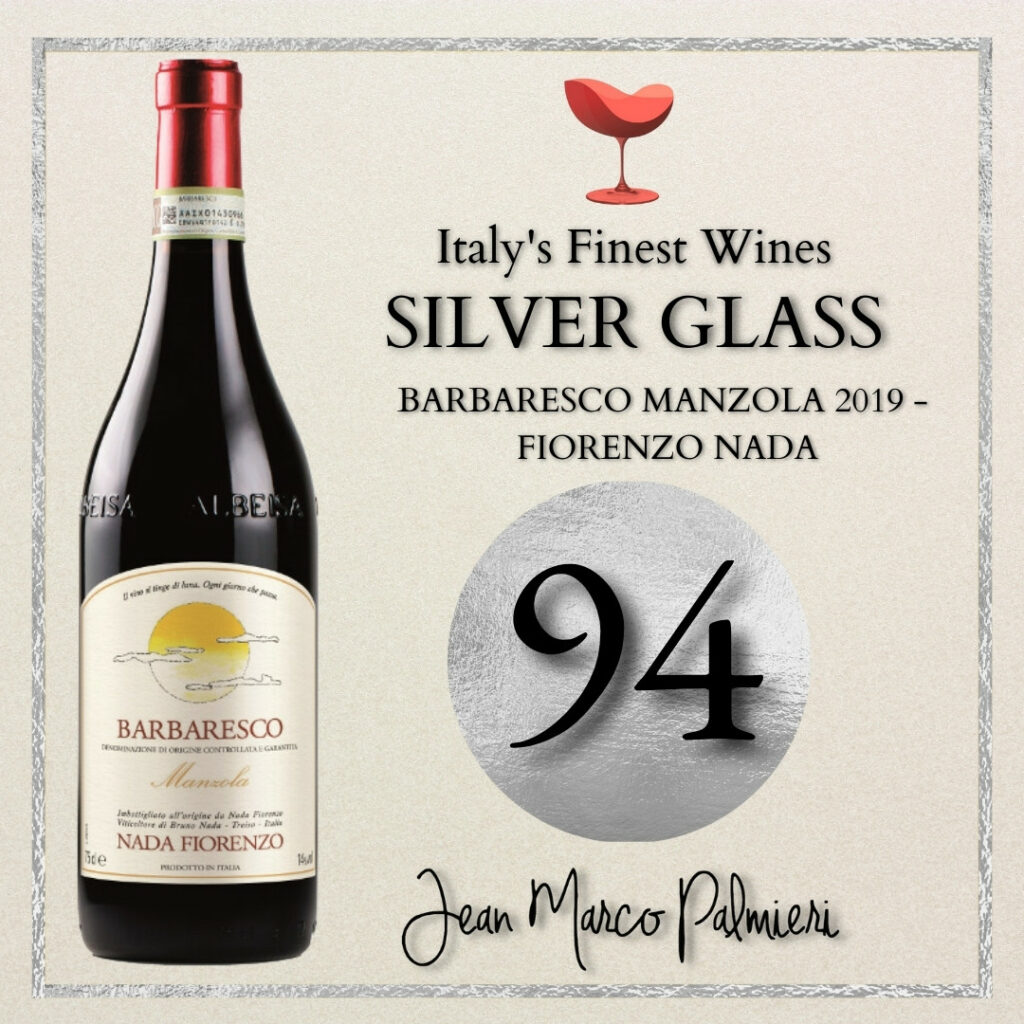
Description:
It opens with brushstrokes of wild strawberries in jam, blackberries and juniper enriched with toasted notes of bitter almonds and mentholated nuances. On the palate it is broad and intense, with perfectly outlined compact tannins and a very pleasant saline trail on the finish that leaves the mouth fresh and satisfied.
A complex and highly refined interpretation of Barbaresco, which expertly combines tannic strength, flavor and fragrance. Deservedly among the best Barbaresco wines
Barbaresco 2020 – Quazzolo
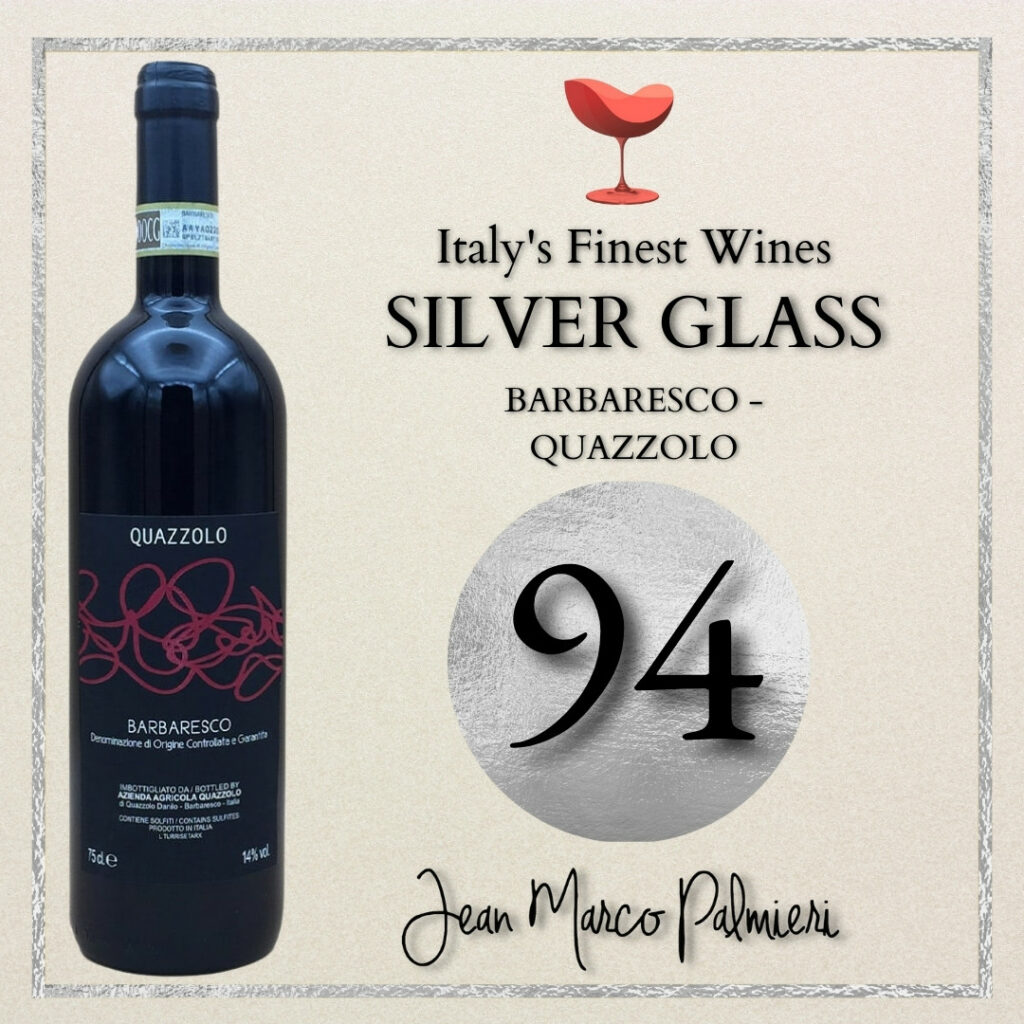
Description:
Layered nuances of sour cherries, wild strawberries, dehydrated plums and dried flower potpourri extend towards mentholated and balsamic tones embellished with nuances of china and goudron.
The sip is clear and enveloping, characterized by a velvety tannic texture and well integrated with a very long acid vein.
Quazzolo once again confirms itself as one of the best Barbaresco wines for balance and drinkability.
Barbaresco Giacone 2019 – Cascina Alberta
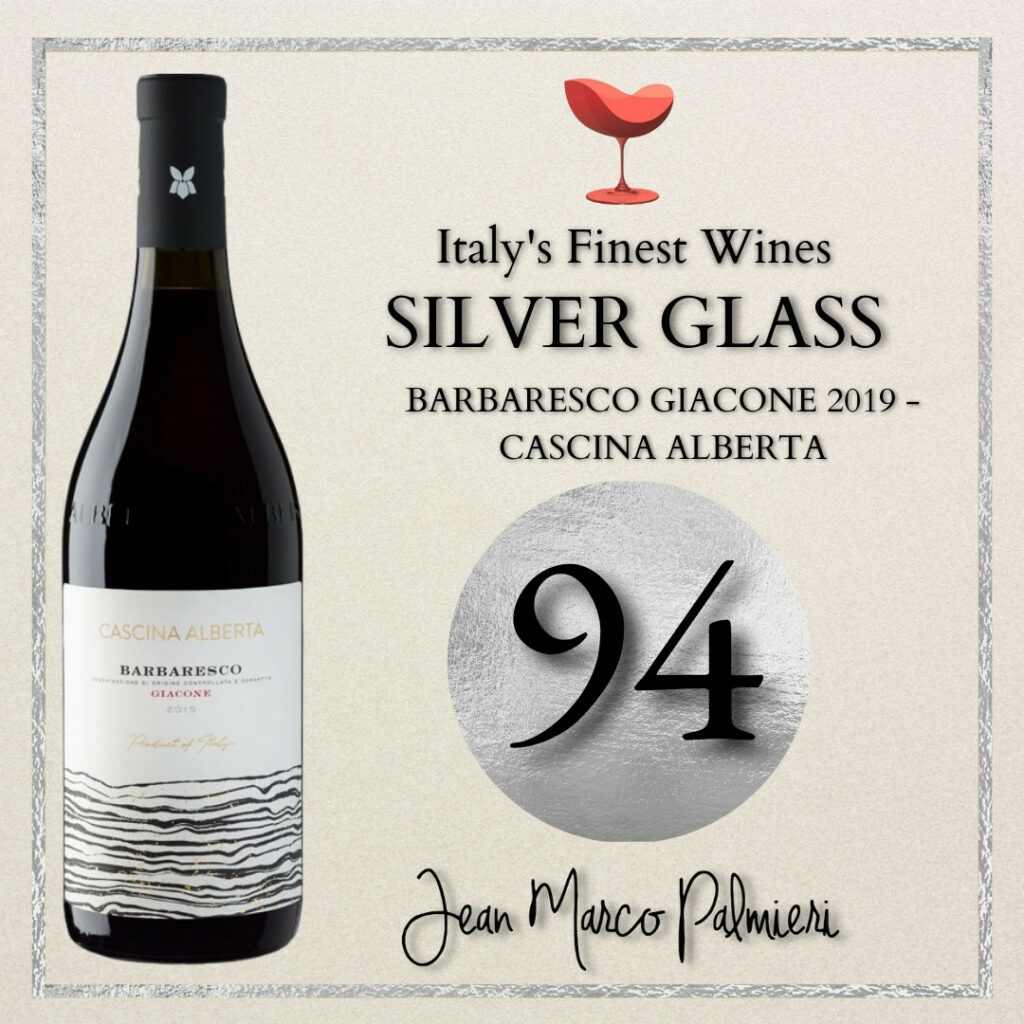
Description:
It opens on notes of blackberries in jam, cherries in alcohol and rose potpourri to continue towards intriguing notes of sweet tobacco and liquorice root.
On the palate it presents soft and velvety tannins that enter into synergy with a vigorous savory line. Balsamic finish with pleasant persistence.
Cascina Alberta confirms itself among the most virtuous interpreters of Barbaresco for its original and artisanal style.
Barbaresco ‘Currà’ 2019 – Sottimano
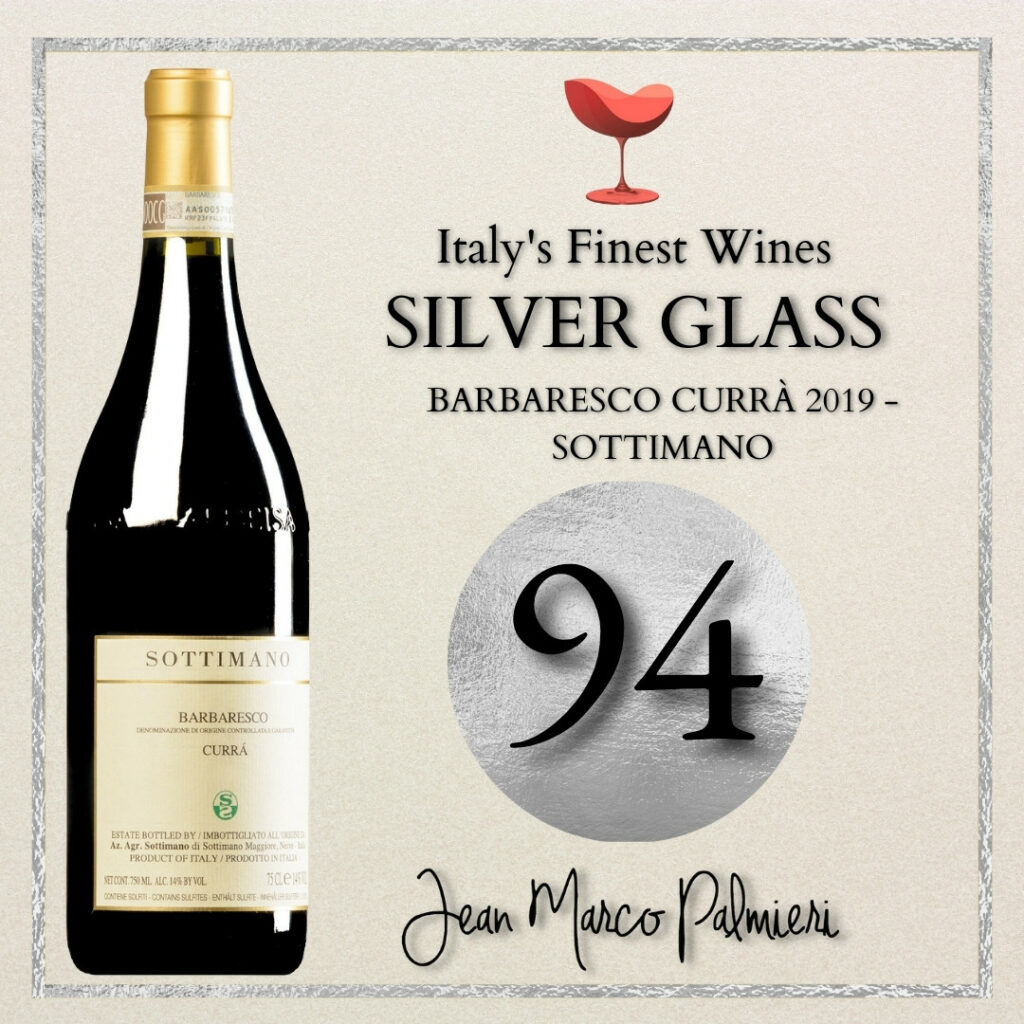
Description:
Sour cherries, plum jam and orange peel extend towards evolving notes of sweet tobacco, coffee powder and minty sensations. It envelops the palate with soft and silky tannins, well supported by a strong acid blade. Closing with good persistence on the fruit.
A very classy label, with a powerful sip that does not give up the typical elegance of the vine. Among the best Barbaresco wines for its seductive and deep palate.
Barbaresco Asili 2019 – Carlo Giacosa
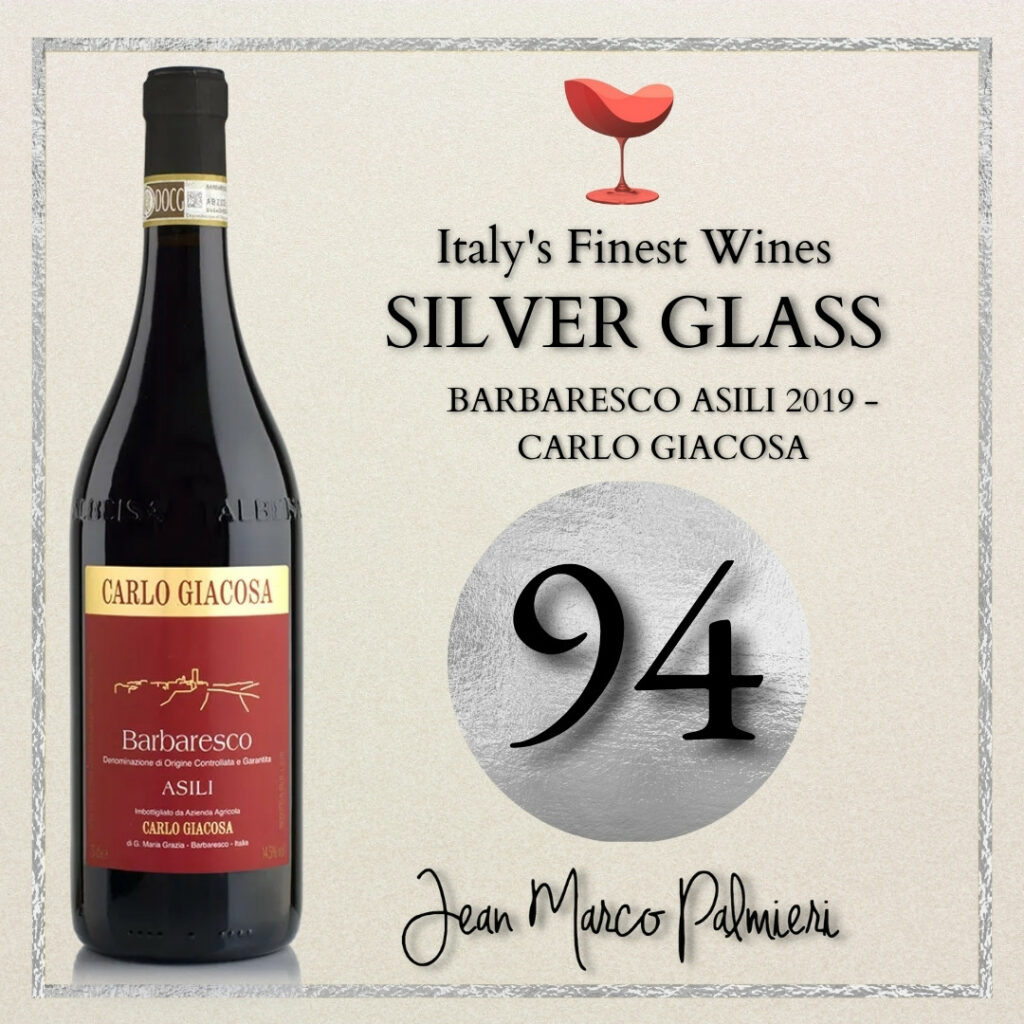
Description:
It galvanizes the nose with a kaleidoscope of aromas ranging from intense hints of ripe berries, hints of plum embellished with humus, camphor and pine resin. On the palate it has a very thick and silky tannic texture which is counterbalanced by an important acid shoulder which gives freshness and drinkability. Voluminous and harmonious finish, of extraordinary persistence.
Carlo Giacosa’s Barbaresco Asili is a wine with an enthralling and expansive sip. An imaginative and exciting wine, fully among the best Barbaresco wines for finesse. Interesting value for money.
Rabajà Riserva 2016 – Giuseppe Cortese
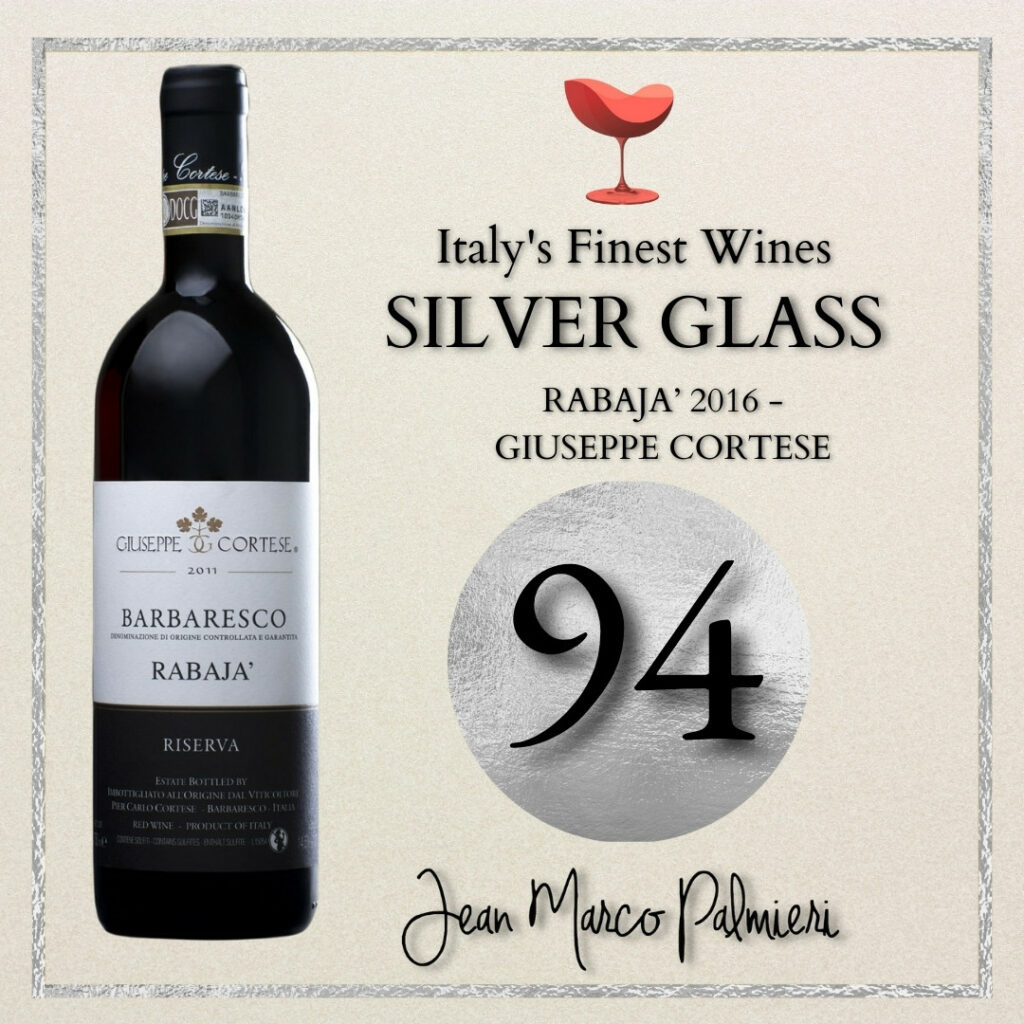
Description:
It is structured olfactorily on tones of ripe cherry, blackberry, mulberry and raspberries followed by suggestions of sweet spices, wild mint and toasted notes. On the palate it is vigorous, with compact tannins that evolve progressively towards a finish of excellent structure and persistence.
Heady and intense, among the best Barbaresco wines for its inexhaustible persistence in which the varietal character of Nebbiolo echoes as the protagonist.
Barbaresco Vanotu 2020 – Pellissero
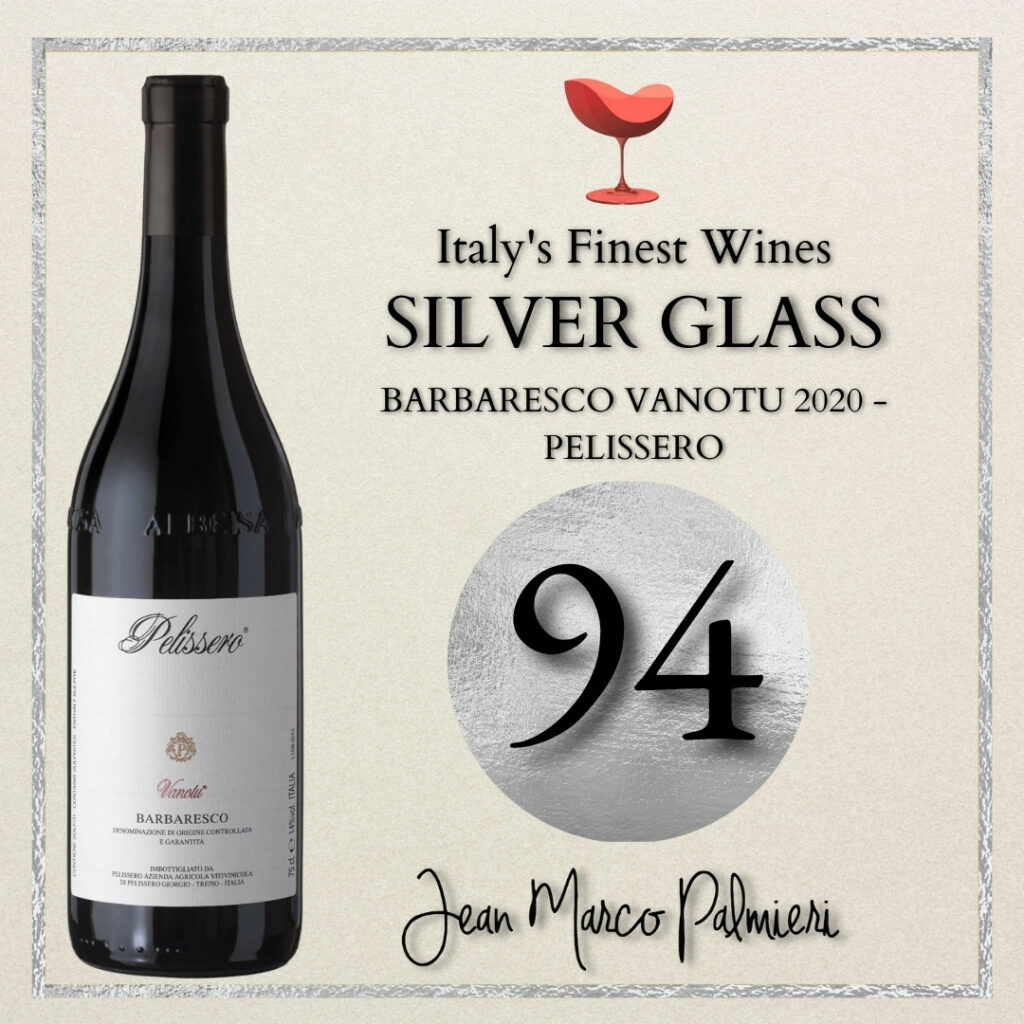
Description:
Notes of dried roses and cherry in alcohol, followed by nuances of candied orange peel embellished with tones of cocoa powder and well-integrated woody tones. It galvanizes the palate with a thick but smooth tannin synergistically linked to a strong acidity that favors drinking. Very persistent finish in which the Nebbiolo varietal echoes as the protagonist.
Classic in character, the smell is a delicate prelude that spreads sensationally opulent upon sip. Fully among the best Barbaresco wines.
Barbaresco Rio Sordo 2020 – Cascina delle Rose
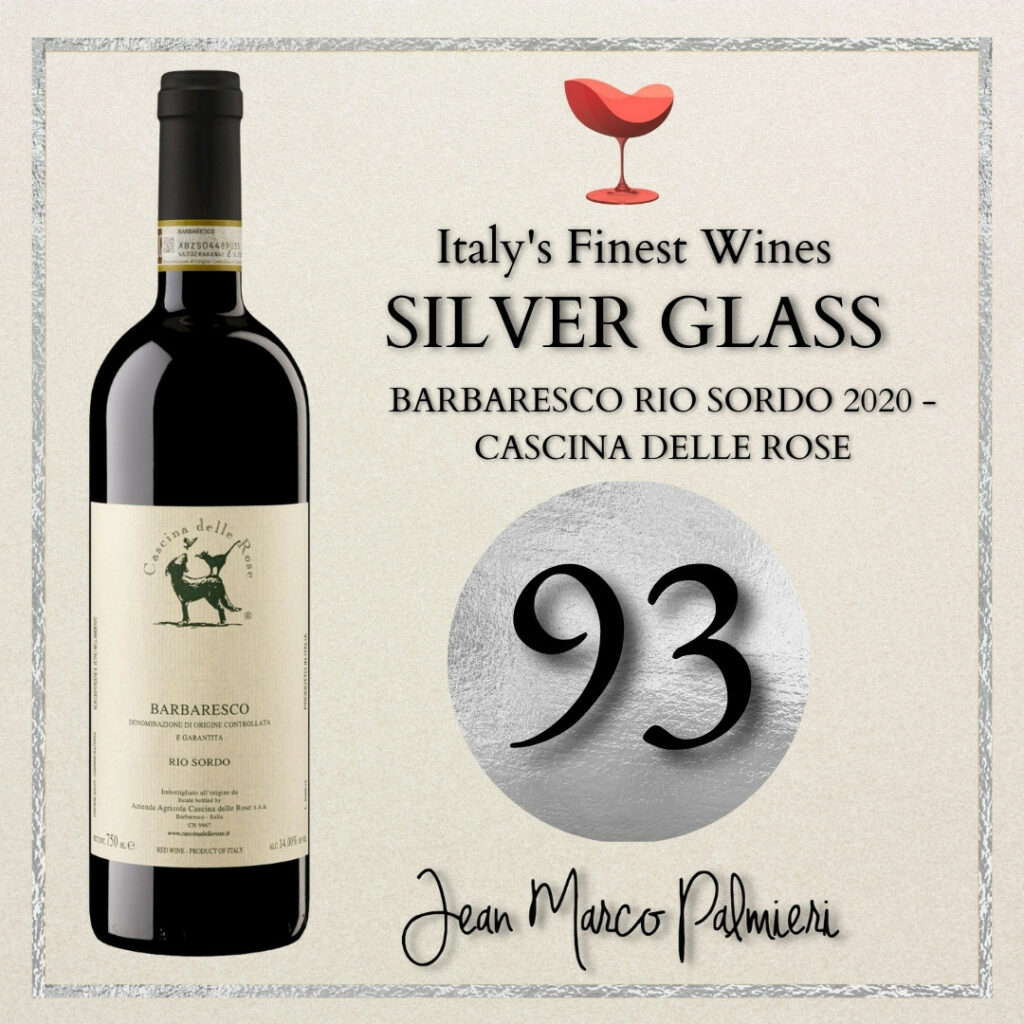
Description:
On the nose it reveals itself to be fine and complex, outlining intense hints of berries in alcohol, hints of plum, dates, sweet spices and tobacco and ethereal notes. On the palate it is enveloping with a very thick but extraordinarily silky tannic texture linked synergistically to an important acid shoulder that gives freshness.
A voluminous and harmonious wine with a sensational balsamic persistence. Deservedly among the best Barbaresco wines.
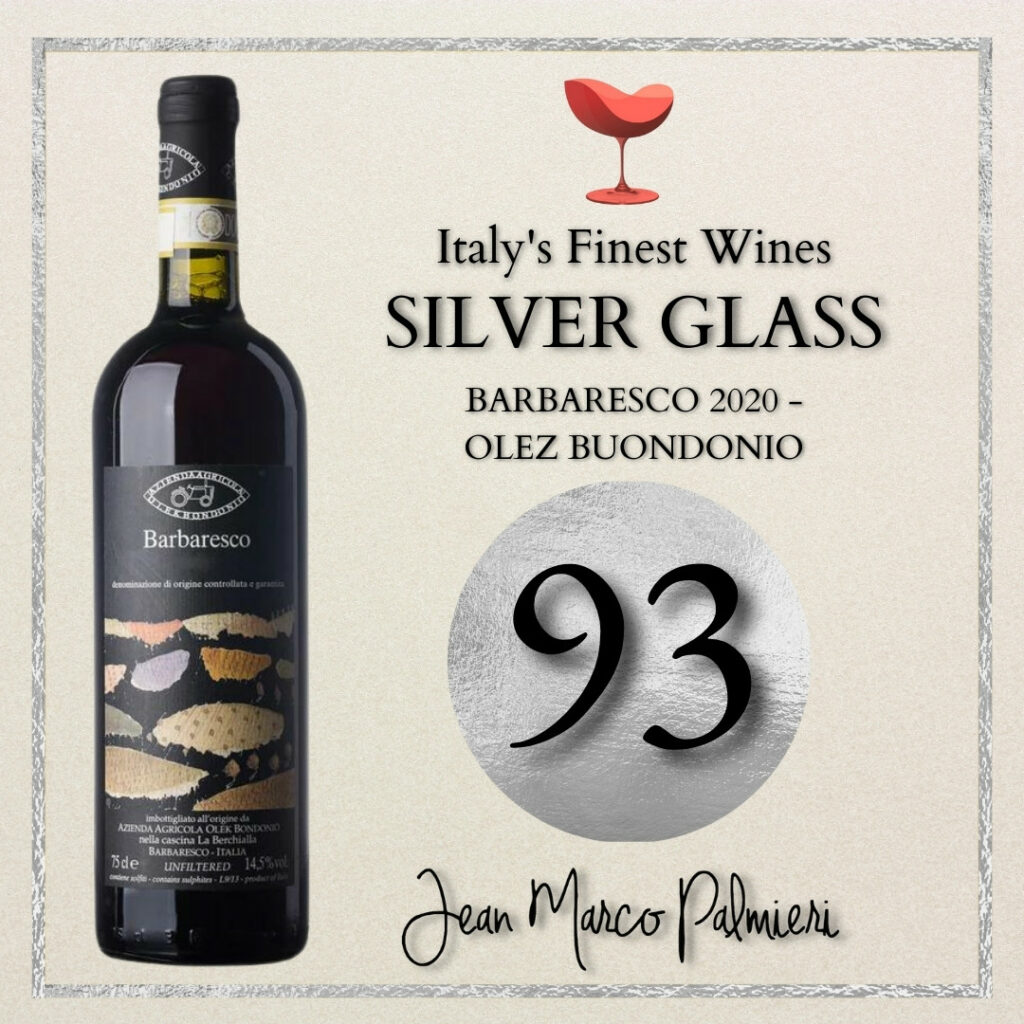
Barbaresco 2020 – Olez Buondonno
Description:
It presents itself on the nose with delicate aromas of wild strawberries, raspberry jam and dehydrated plums, continuing towards toasted tobacco notes and notes of glazed dates. On the palate it is dense and well structured, supported by a nice savory trail that envelops the mouth towards a fruity finish with good persistence.
From the Olez Buondonno cellar comes a low-intervention wine of great taste-olfactory complexity, with excellent smoothness and presence on the palate. Deservedly among the best Barbaresco wines.
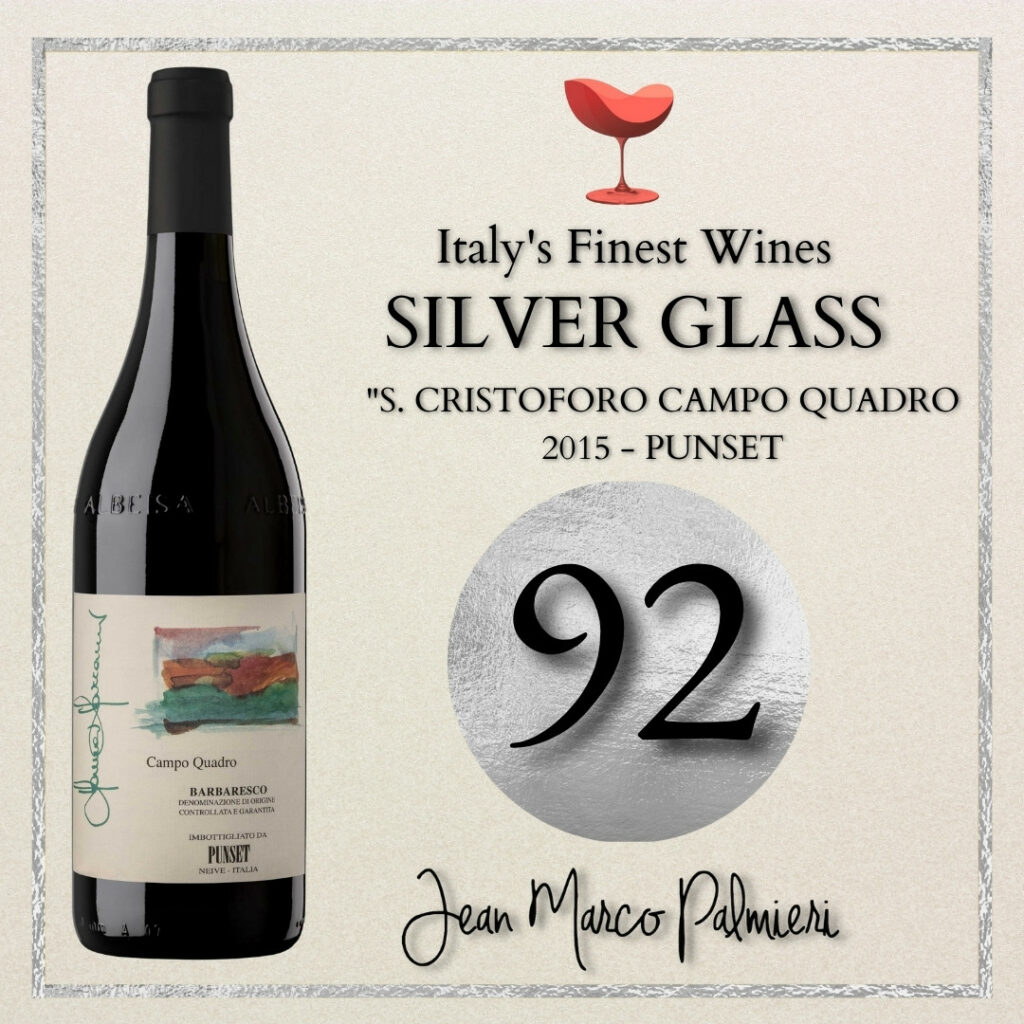
S Cristoforo Campo Quadro 2015 – Punset
Description:
It opens on the intense nose with notes of ripe plum, sultanas and cherries followed by hints of black tea, anise and tobacco. It envelops the mouth with opulent and velvety tannins, which extend towards a pleasantly savory, long-lasting trail.
A wine of great extract and persistence. Without a doubt among the best artisanal style Barbaresco wines. To be rediscovered as we age.
History of Barbaresco
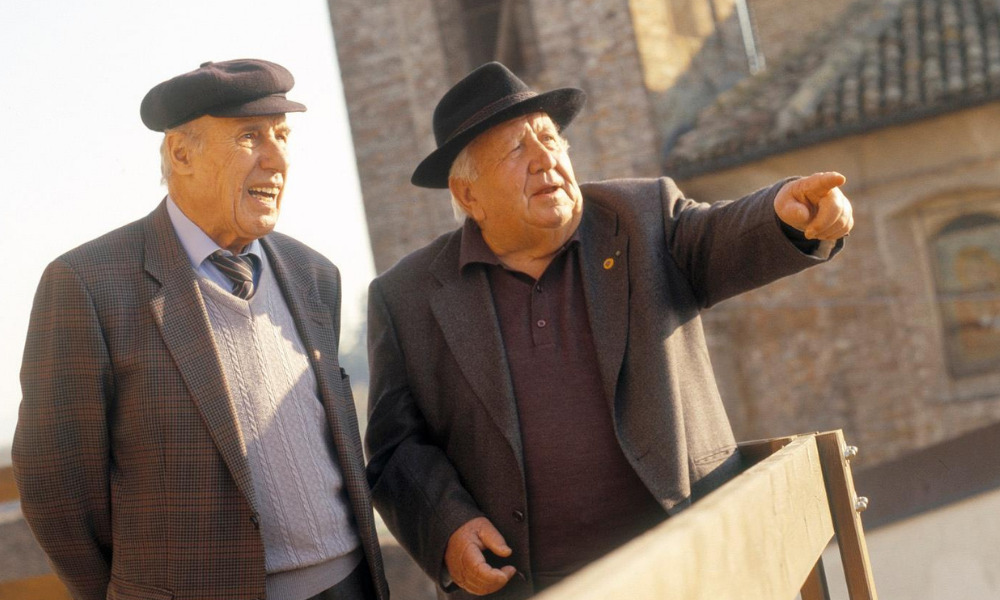
What is the history of Barbaresco? Barbaresco is one of the most important red wines in Italy: it was in fact recognized as DOC in 1966 and later as DOCG in 2011.
The cultivation of Nebbiolo in this area has very ancient origins: it is claimed that theGaulswere the first to be attracted by Barbaritium wine; while others trace the name of Barbaresco to the Barbarians, who caused the fall of the Roman Empire.
The date that is recognized as the birth of modern Barbaresco dates back to 1894, when theCantina Socialeof Barbaresco was founded.
In the municipality ofNeive, the oenologist Louis Oudart equipped the cellar and used Nebbiolo to produce a dry, elegant wine with good aging potential, inspired by the great French red wines of Bordeaux. With the same techniques used by Oudart for ‘Neive’, thirty years later the first Barbaresco wine was produced in the castle of Barbaresco.
It was at the end of the 1950s that Barbaresco acquired great success thanks above all to a new generation of young producers, including Bruno Giacosa and the ‘Thundering Jupiterof Italian Enology’ Angelo Gaja. Also of great importance is the experience of Don Fiorino Marengo together with Celestino Vacca, Ugo Maffei and the winemaker Riccardo Cravanzola, who together founded the historic cooperative winery Produttori del Barbaresco.
This important cooperative was crucial in the development of Barbaresco. In fact, after the Second World War it allowed numerous winemakers tounite by amortizing the fixed costs ofwine production, obtainingfine wineswith a good quality-price ratio, thus encouraging the recovery of the agricultural tradition of the Langhe by the new generations.
Barbaresco regulations
TheBarbaresco DOCG must be produced exclusively with100%Nebbiolo grapes, in an area of approximately 760 hectares of vineyards in the Piedmont Langhe, to be precise in the municipalities of Barbaresco, Neive, Treiso and San Rocco, in the province of Cuneo.
The regulations provide that Barbaresco can only be produced with 100% Nebbiolo grapes and can be marketed following a minimum aging of 2 years starting from the January following the harvest, of which at least 9 months in oak or chestnut barrels. Following a 4-year refinement, Barbaresco wines can acquire the ‘Riserva’ designation.
Terroirs e crus del Barbaresco
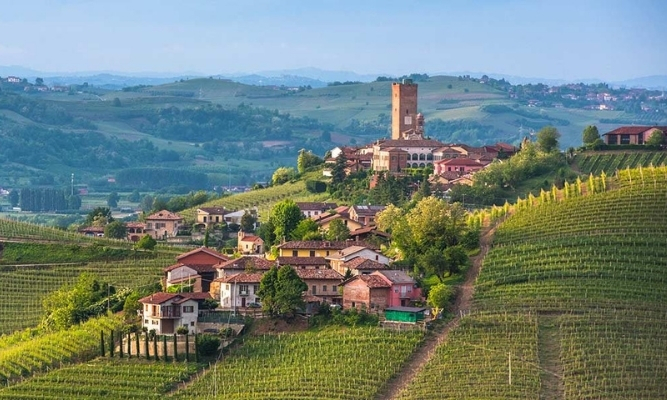
The soils of the Babaresco area are mainly of marine formation, composed of sedimentary clay-limestone marl, particularly fertile and rich in organic substance and microelements fundamental for the production of high-quality grapes. Two types of soil can be distinguished in the Barbaresco production area. The soils of Treiso, San Rocco Seno d’Elvio and much of Neive (Lequio Formations) are less compact and give rise to more elegant and long-limbed wines.
The soils of Barbaresco and the adjacent hamlet of Neive (Marne di Sant’Agata Fossili) are more compact and give life to more complex wines with a greater polyphenolic content.
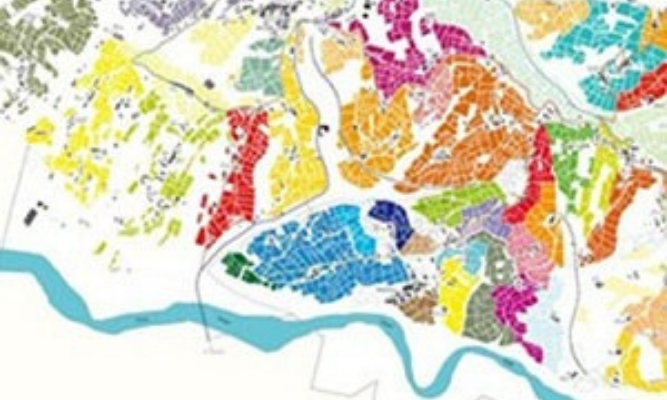
Barbaresco is the first Italian wine to have official Additional Geographical Mentions (2007).
The climate of the Barbaresco production area is generally more homogeneous and milder than the entire Langhe area. However, the presence of different microclimates and geological variability within the various parcels should not be underestimated, which, added to the different agronomic and cellar practices, allow the grapes to express themselves in various expressions depending on the area. This explains the presence of 69 different Barbaresco crus, divided into the municipalities of Barbaresco, Neive, Treiso and the hamlet of San Rocco Seno d’Elvio in Alba.
What are the best Babaresco crus? Among the crus of Barbaresco we can mention some important ones such as Asili, Gallina, Montestefano, Rabajà, Rio sordo, Pora and Pajè. But the Barbaresco crus are truly countless and each one boasts productions of undisputed quality and identity.
Best Barbaresco Vintages
Discover the ranking of thebest Barbaresco vintagesfrom 1970 to today with the rating expressed in stars.
For further information you can consult the article dedicated to the best vintages of Barbaresco, complete with a detailed description of the climatic trend.
1970✭✭✭✭
1971✭✭✭✭✭
1972
1973✭✭
1974✭✭✭✭✭
1975✭✭
1976✭✭
1977✭✭
1978✭✭✭✭✭
1979✭✭✭✭
1980✭✭✭✭
1981✭✭✭
1982✭✭✭✭✭
1983✭✭✭✭
1984✭✭
1985✭✭✭✭✭
1986✭✭✭
1987✭✭
1988✭✭✭✭✭
1989✭✭✭✭✭
1990✭✭✭✭✭
1991✭✭✭
1992✭✭
1993✭✭✭
1994✭✭
Abbinamenti cibo – Barbaresco
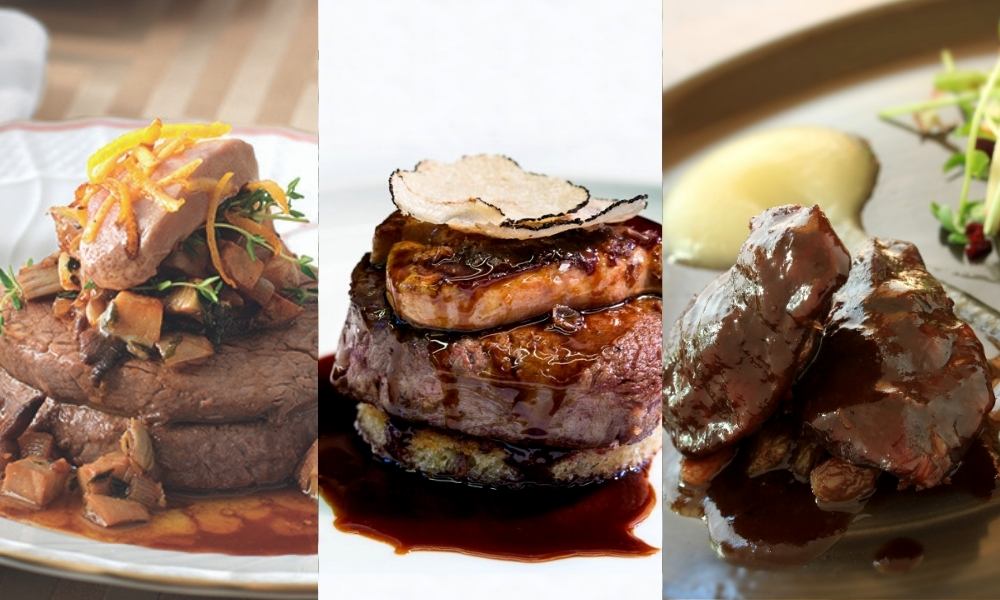
Now that we have seen which are the best Barbaresco wines and the best Barbaresco producers, the question arises spontaneously: what are the best food-Barbaresco pairings?
Barbaresco is an excellent pairing with structured meat dishes such as game, braised red meat, grilled meats with brown sauces, rabbit, medium-aged cheeses, sautéed kidneys, livers, Piedmontese roe deer.
Discover the best food pairings of Barbaresco and the rules to follow for pairing Barbaresco in the dedicated article.
Discover the best Barbaresco food pairings and the rules to follow for pairing Barbaresco in the dedicated article.
What is the best Barbaresco?
What is the best Barbaresco value for money? Choosing is an undertaking, however it is inevitably subject to the limits of a subjective opinion, which as such, by definition, is deficient and arbitrary.
We have drawn up our list of virtuous quality interpretations of Barbaresco from the best wineries and best Barbaresco producers according to our evaluations. However, it remains essential to underline that the best Barbaresco is the one that is capable of moving us, also by connecting to contingent situations and unrepeatable and intimate moments of our lives.
Therefore, we invite you to discover all the wineries that produce Barbaresco in their uniqueness, so that you can independently find and choose the wine that can be counted among your best Barbarescos.